Actor Twin
Co-design a professional knowledge profile with its owner: experience, reasoning patterns, limits and escalation routes. Make expertise accessible without impersonating its contributor.

Demographic change · Leadership · Knowledge retention
When experienced people retire or change roles, their judgement should not leave with them. Co-create an Intellectual Twin that helps the next generation learn, leaders navigate change and insurance teams retain the reasoning behind decisions.
The Jenga problem

 For
For

An Eraneos discussion proposal for SIGNAL IDUNA.
The demographic challenge
Retirement, succession and changing roles put tacit knowledge at risk. Documents explain the rule. Experienced colleagues know why an exception matters, when to ask for help and how to lead through ambiguity.
From knowledge to skills
Me.IDs is a platform concept for employees and teams to co-design an Intellectual Twin: a transparent, bounded representation of professional knowledge—not a copy of a person. Experts capture cases, explain their reasoning and review what the twin may recommend.
Co-design a professional knowledge profile with its owner: experience, reasoning patterns, limits and escalation routes. Make expertise accessible without impersonating its contributor.
Connect approved cases, policy versions, decision rationales and exceptions. Keep sources, uncertainty, access rights and review dates visible as knowledge evolves.
Turn approved knowledge into repeatable support: learning scenarios, case briefings and handover checklists. Experts validate outputs before any consequential decision or action.
Agree participation and permitted use with employees and relevant stakeholders. Start with synthetic or de-identified cases, role-based access and reviewable sources. No autonomous coverage, pricing, claims or personnel decisions; no employee ranking.
Proposed use cases · SIGNAL IDUNA

A proposal for discussion with SIGNAL IDUNA: explore how intellectual twins can preserve specialist judgement in private health insurance, support succession and make leadership knowledge accessible.
Challenge to explore: specialist experience leaves faster than successors can absorb it. Co-create a role-specific learning twin from approved cases and expert explanations. Test time to independent case preparation and expert-rated completeness of handovers.
Health risks in private health insurance often require assessment beyond standardised health questions. Capture the follow-up questions, medical risk rationales, and referral and decision-making authorities of experienced risk assessors. Assess the completeness and relevance of health disclosures and medical records, as well as the time required to prepare each case. Decisions on acceptance and contract terms—such as risk loadings or benefit exclusions—remain with the authorised individuals.
Complex benefit claims in private health insurance bring together tariff and insurance terms, medical records, invoice documentation, and the handling of special and exceptional cases. Preserve knowledge of how experienced specialists structure assessments and identify missing or unclear information. Assess the quality of case summaries, decision briefs and escalations. The assessment of medical necessity and eligibility for reimbursement, as well as the final benefit decision, remains with the authorised individuals.
Challenge to explore: leadership transitions lose the reasoning behind priorities and stakeholder agreements. Co-create a reflection partner from approved decision journals and change scenarios. Test handover clarity and scenario quality—not individual performance or personality.
A proposed 90-day pilot
Days 1–15: select one role and one knowledge-risk scenario. Agree participants, a baseline, permitted data and success criteria.
Days 16–40: co-create a small set of approved cases with experts and successors. Record reasoning, exceptions, sources and boundaries.
Days 41–70: test in a controlled environment against unseen scenarios. Check source accuracy, abstention, escalation and human review.
Days 71–90: compare results with the baseline. Decide together whether to refine, stop or expand. Benefits are hypotheses to test—not promised outcomes.
A conversation about your knowledge future
Where could succession, specialist expertise or leadership continuity benefit from a new approach? Join Florian Liepe and Oliver Hüfner to frame one insurance use case—or explore a keynote or workshop on demographic change and knowledge retention.
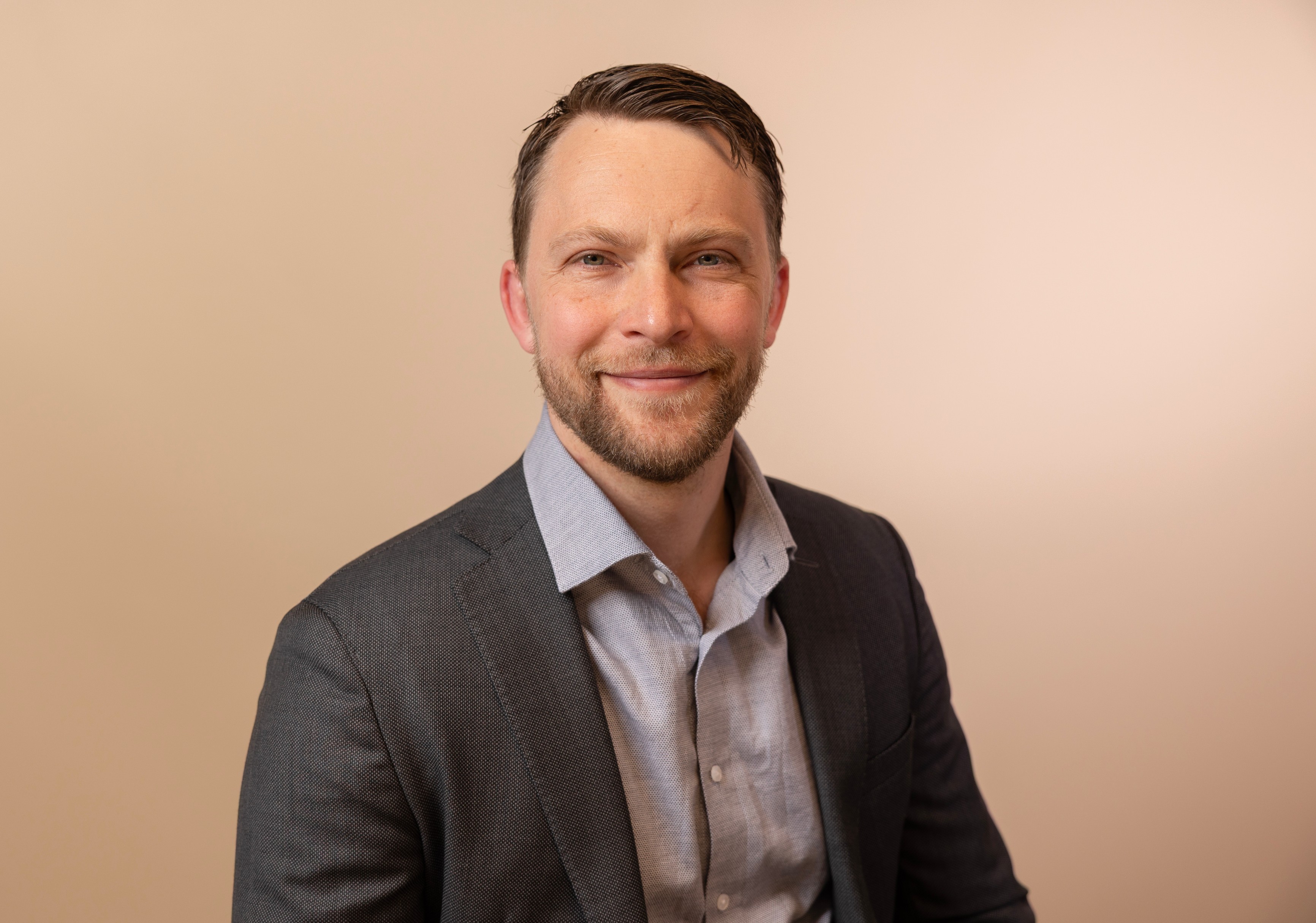 Dr. Florian LiepeProduct Owner · Intellectual Twin
 Dr. Oliver HüfnerPartner · Eraneos
Share this page or continue on your phone.